.jpg)


Posted by:
Category:
Comments:
Post Date:
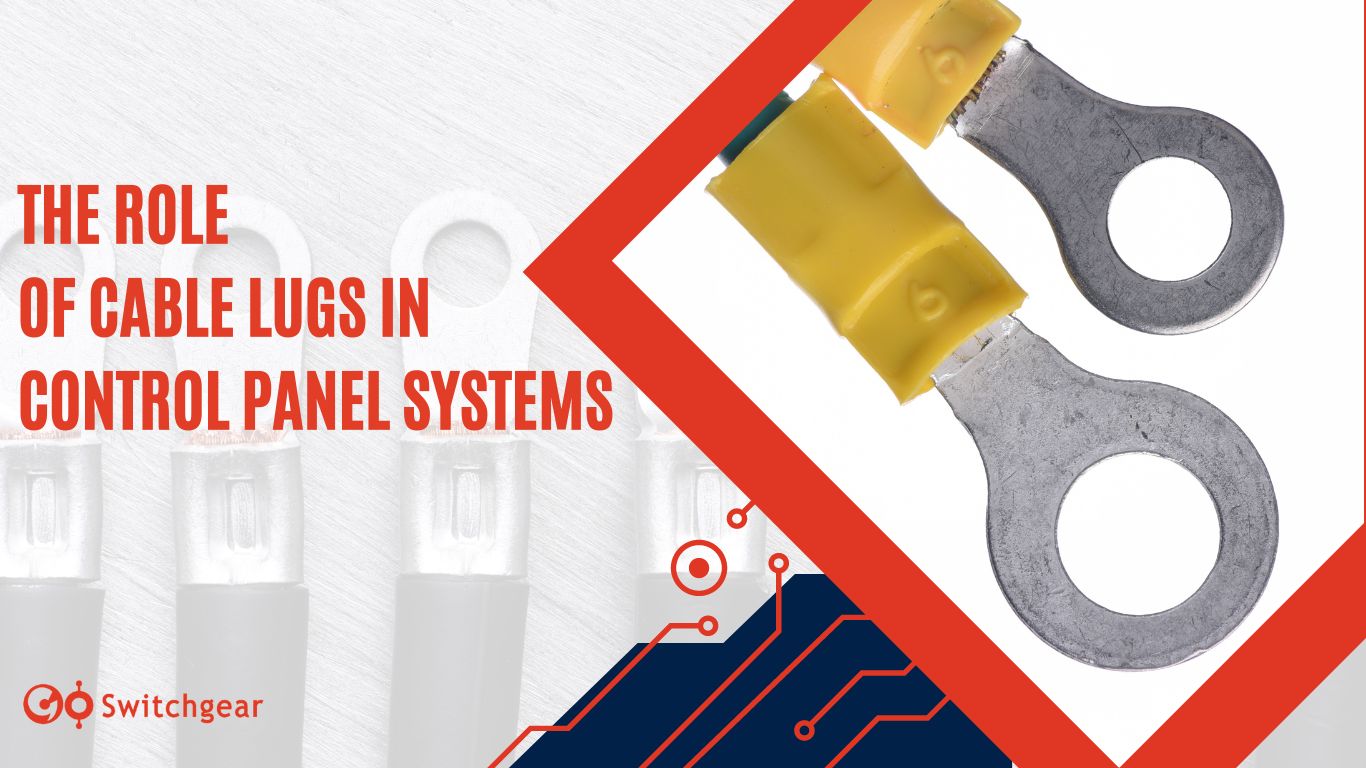
The Role of Cable Lugs in Control Panel Systems
While predominantly recognized for components like wires and circuits, electrical systems have many underlying elements vital for smooth operations. Among these is the cable lug, a component whose significance often goes unnoticed.
Cable lugs connect and secure cables, ensuring efficient electrical flow and system safety. Their role becomes even more crucial in control panel systems as they bind the intricate web of electrical pathways. This article delves deeper into cable lugs, shedding light on their primary functions and their pivotal role in ensuring that control panel system design functions optimally.
What are Cable Lugs?
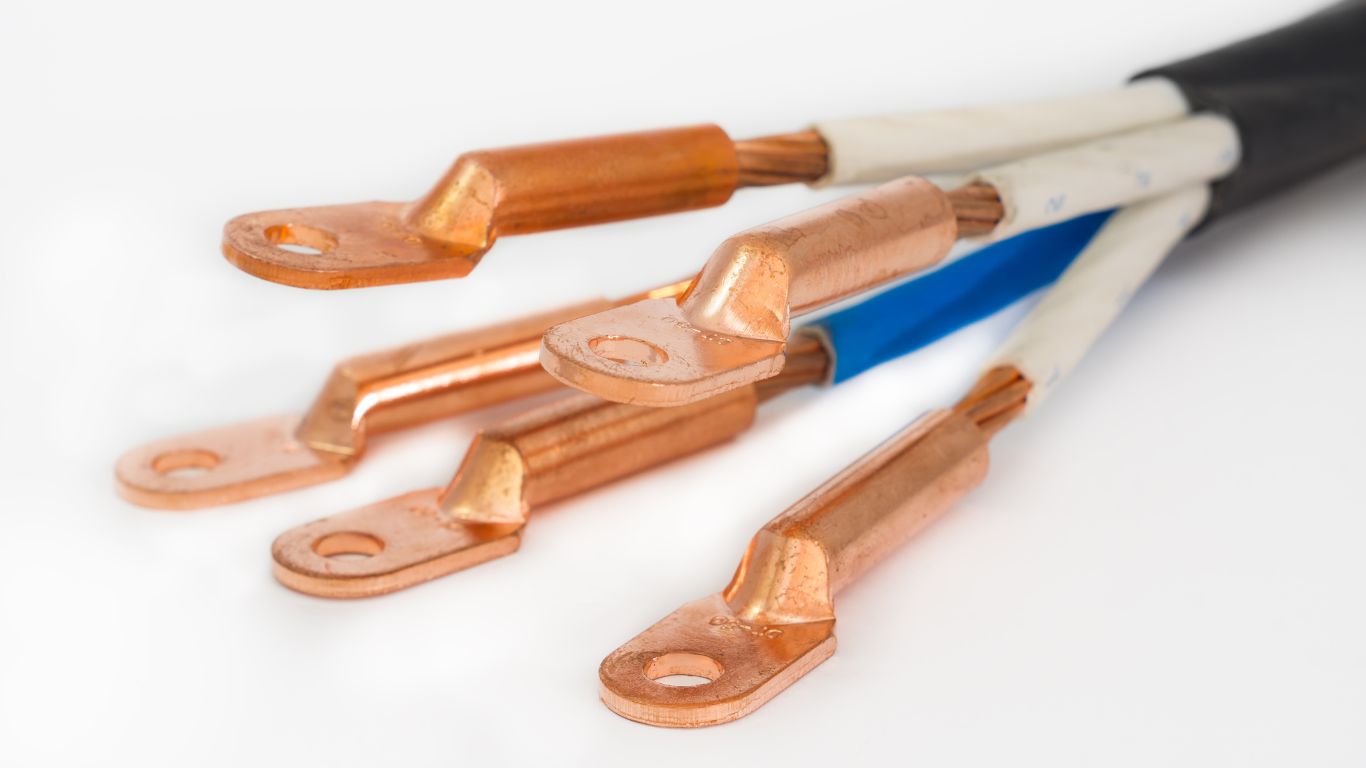
Cable lugs, often referred to as cable terminals or connectors, are devices used to connect cables to electrical appliances, other cables, surfaces, or mechanisms. They are typically made from high-conductivity copper or aluminum and may be tin-plated to prevent corrosion. Their design allows for a secure connection, ensuring efficient energy transmission and safety.
Role of Cable Lugs in Control Panel Systems:
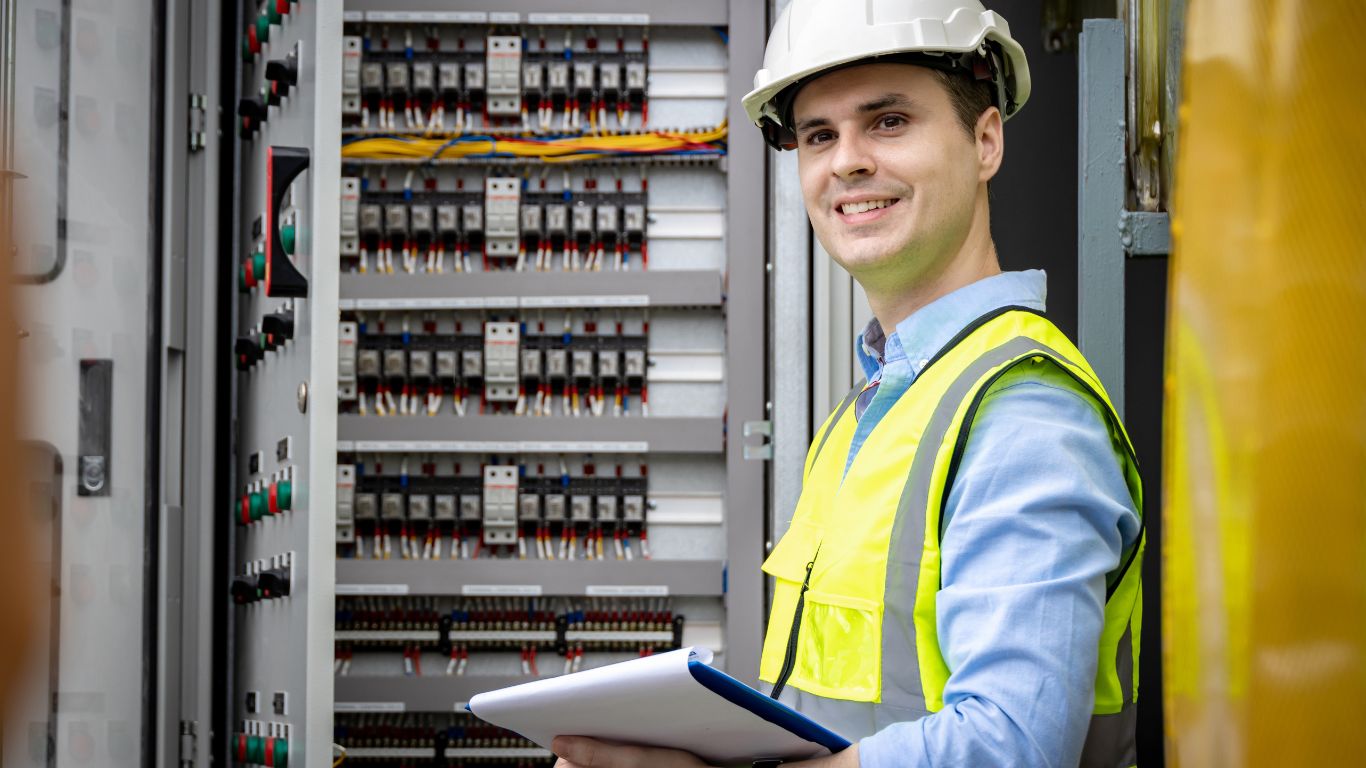
Control panel systems are the nerve centers of many industrial applications, facilitating the management of machines, processes, and systems. Within these intricate setups, various components play essential roles to ensure the smooth operation of the entire system. Cable lugs, often considered minor players, are of paramount significance among these components. Let's elaborate on the importance of these often-overlooked heroes.
Safety:
Safety is the bedrock principle in any electrical system. They are mandatory according to Electrical Control Panel Standards such as IEC standards to ensure the quality of the cable.
Preventing Short Circuits:
Loose or poorly connected cables can lead to short circuits, endangering the equipment and the personnel working around it. Cable lugs ensure connections remain robust and intact, effectively minimizing the risk of short circuits. They enhance control panel safety.
Reducing Risk of Fires:
Electrical fires can result from overheating due to poor connections or loose control panel wiring. Securely connected cables, facilitated by suitable cable lugs sizes, prevent such dangerous heat build-ups.
Signal and Power Integrity:
Control panel systems aren't just about power but also about transmitting data and signals between different components.
Consistent Power Transmission:
Consistent power transmission is necessary for equipment to function optimally. Cable lugs ensure minimal resistance at connection points, maintaining the quality of power delivery.
Clear Signal Transmission:
Even a minor disturbance can disrupt signals, leading to malfunctions. The firm connections offered by cable lugs ensure that signals are transmitted without interference or loss.
Longevity and Durability:
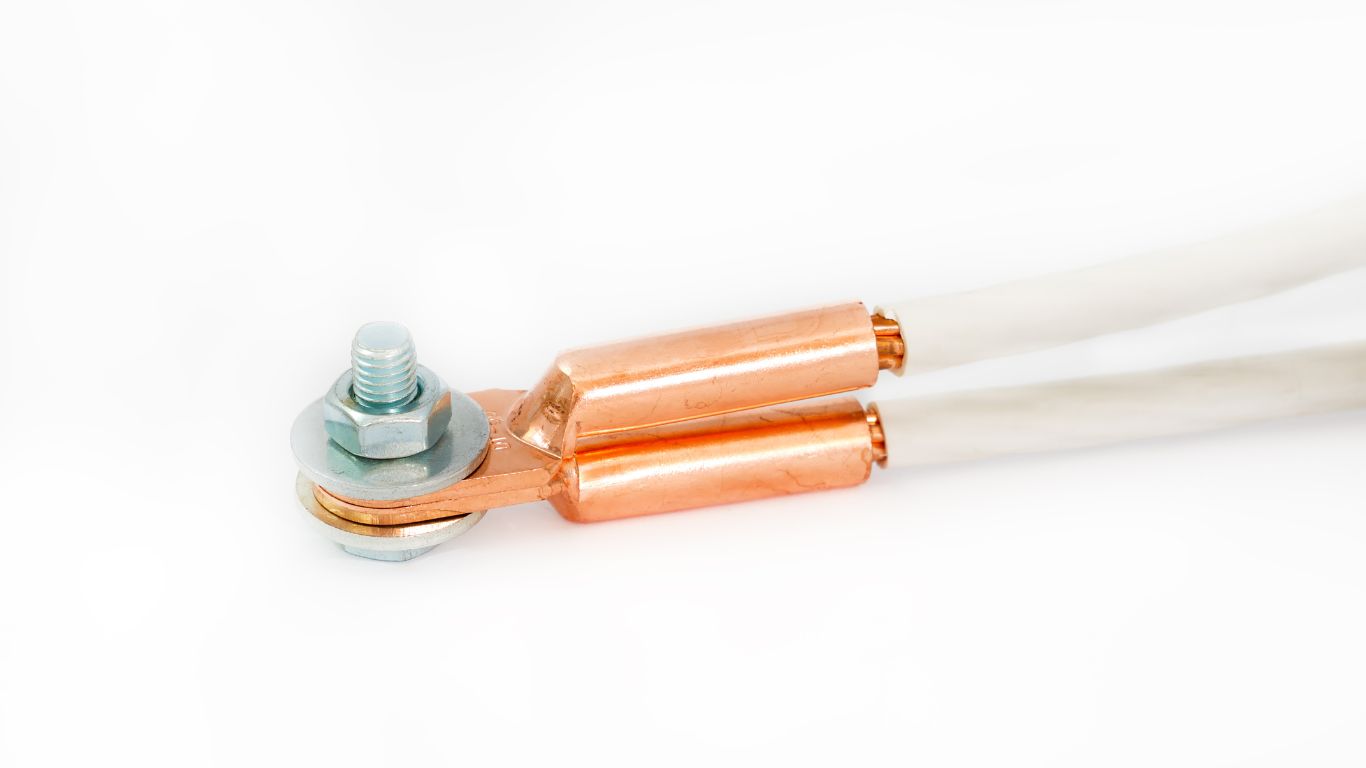
The industrial environment can be harsh. Vibrations, temperature fluctuations, and physical impacts can take a toll on electrical connections.
Protection Against Physical Strain:
Cable lugs provide strain relief. Especially in scenarios where cables might be moved or tugged, a secure lug ensures the cable doesn't bear the brunt of the strain, prolonging its life.
Resistance Against Corrosion:
Many modern cable lugs are designed to resist corrosion. Corrosion can increase resistance and decrease the efficiency of connections. Using high-quality, corrosion-resistant lugs enhances the life and efficacy of the connection points.
Flexibility and Maintenance:
As systems grow or evolve, there's often a need to modify, upgrade, or maintain components.
Facilitating Upgrades:
With technological advancements, system upgrades are common. Cable lugs allow for easier disconnection and reconnection, ensuring that upgrades are not cumbersome.
Ease of Troubleshooting:
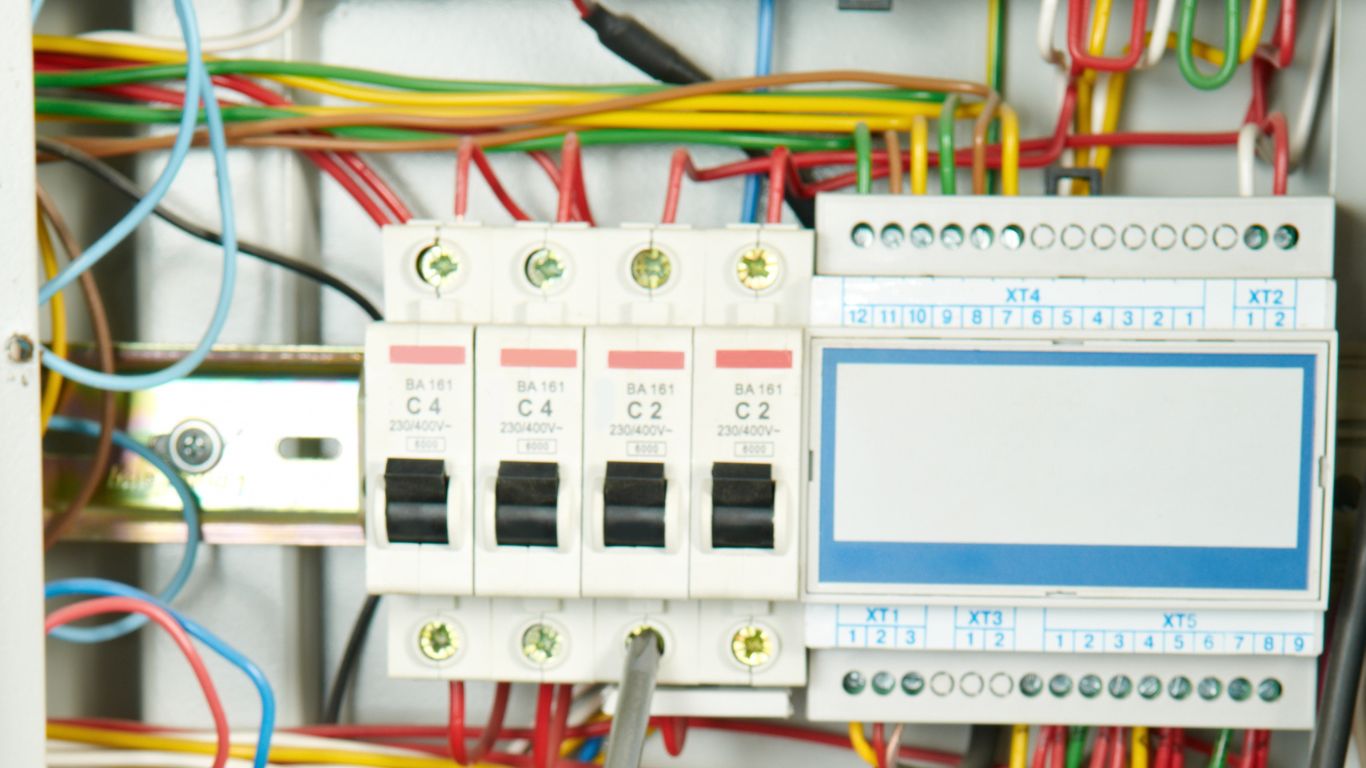
Lugs enable easy disconnection for testing and diagnosis should there be an issue within the system. This simplicity can drastically reduce downtime in industrial settings, where every minute can equate to significant monetary value.
Standardization and Compatibility:
Different components within a control panel system might come from various manufacturers, each with its own standards.
Uniform Connections:
Cable lugs ensure a standardized connection point, making it easier to integrate components and electrical cable from different sources.
Ensuring Optimal Fits:
With various lug sizes and types available, they ensure that cables, irrespective of their make or gauge, can be securely connected to their respective terminals.
In essence, while control panels might house various sophisticated components, the foundational integrity of the system often lies in the basics. Cable lugs, in this scenario, are fundamental among other electrical control panel components. They ensure that power and signals flow seamlessly, safely, and efficiently.
By guaranteeing that connections are not just made but are made optimally, cable lugs prove their worth as indispensable assets in control panel accessories. While seemingly straightforward, their role is integral to the larger complexity of machines and systems in an industrial setup.
Types of Cable Lugs
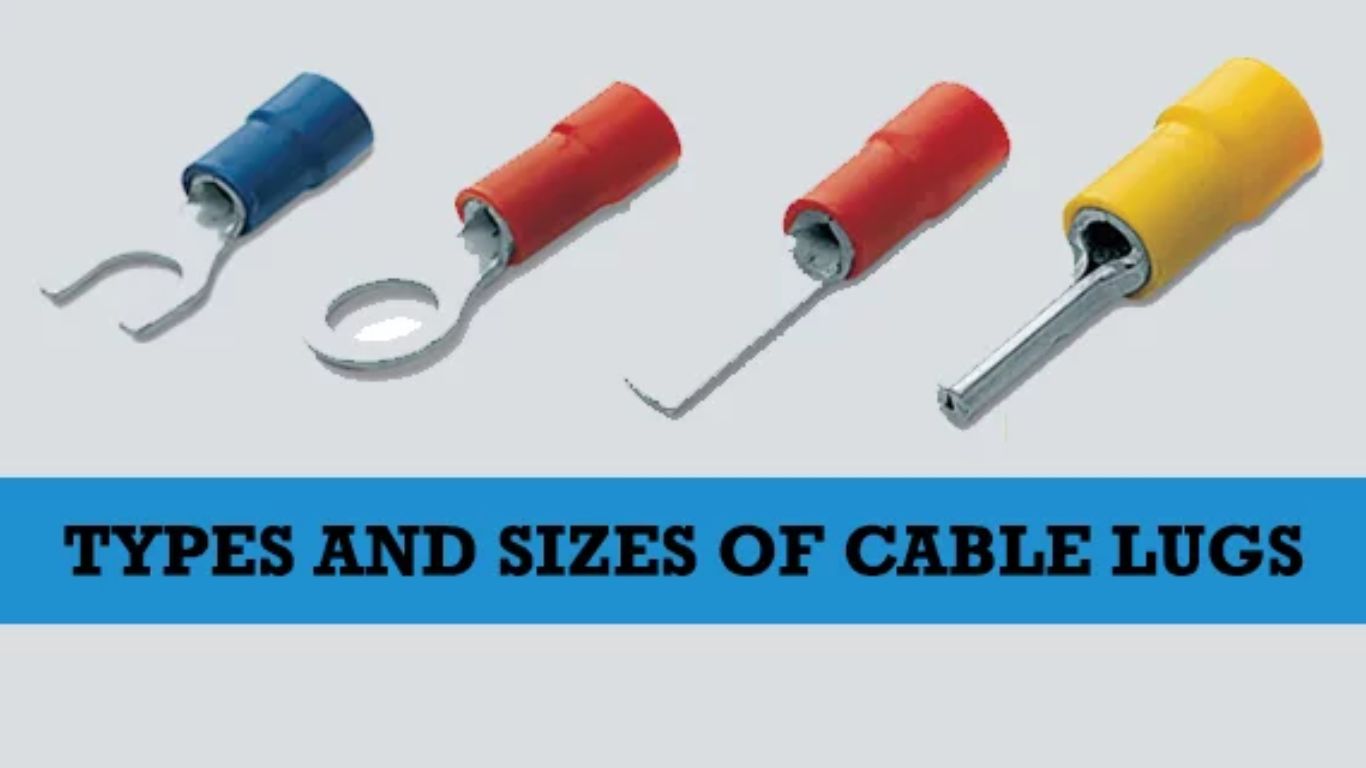
While the fundamental purpose of cable lugs remains the same, there are several types tailored to various applications:
Tubular Cable Lugs:
These are usually made of copper and are utilized for stranded conductors.
Heavy Duty CableLugs:
These are used in specialised applications, such as medium and high voltage electrical systems.
Ring-Type Lugs:
These come with a hole at one end and are employed to secure connections using a screw or bolt.
Pin-Type Lugs:
Ideal for plug-in connections, they come with a pin on one end.
Fork Type Lugs:
These can be slipped under a screw head, making them useful in tight spaces.
Potential Issues and Their Solutions
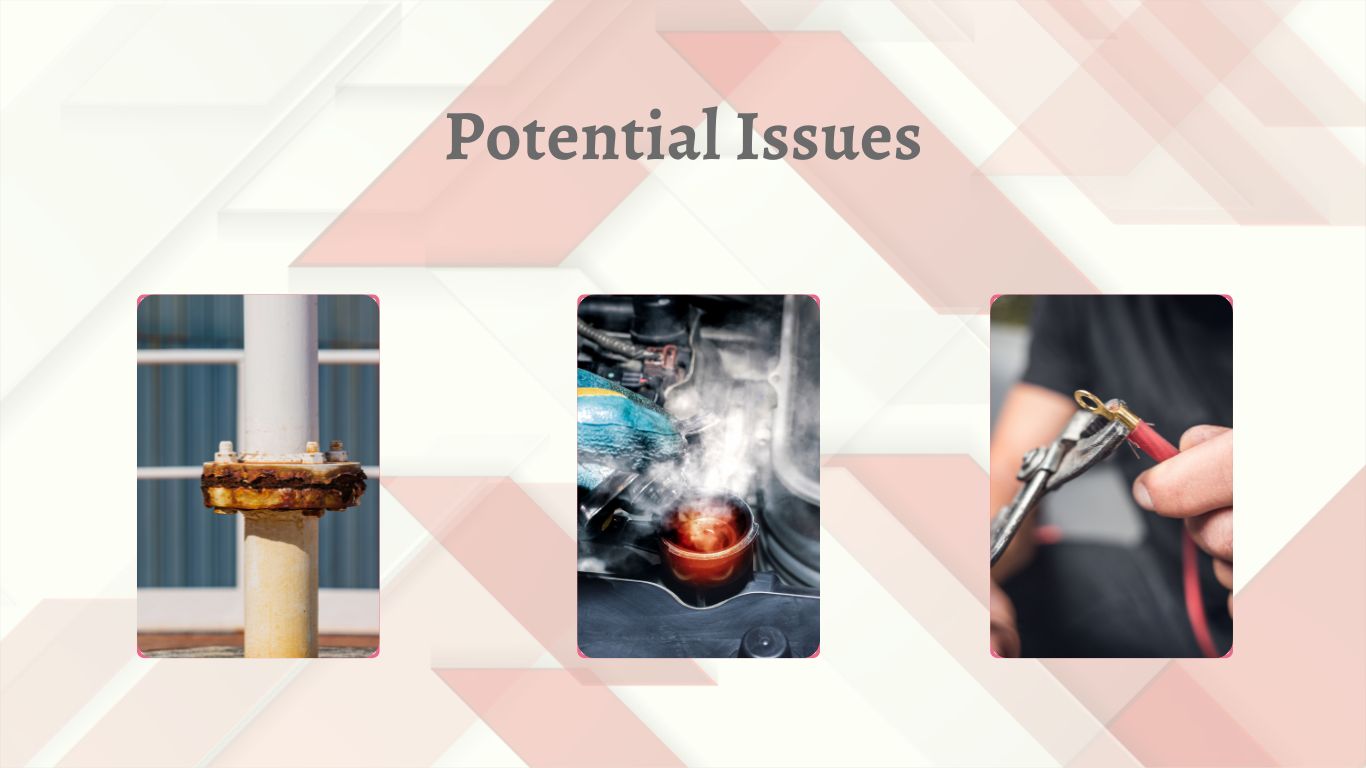
Even with the best components and careful installation, problems can arise. Awareness of potential issues can lead to quick solutions.
Corrosion:
Over time, cable lugs, especially copper ones, might corrode, leading to increased resistance and heat.
Solution:
Regular inspection and cleaning and using corrosion-resistant materials like tin-plated lugs can help.
Overheating:
If a lug is not crimped properly or there's a mismatch in sizes, it can result in overheating.
Solution:
Regular thermal imaging or touch tests can identify hotspots. Always address overheating immediately by checking connections and ensuring proper installation.
Physical Damage:
Lugs can get damaged in environments with a lot of movement or physical stress.
Solution:
Regular visual inspection of cable duct and lugs can identify physical damages. Replacing damaged lugs promptly is essential.
Future of Cable Lugs in Modern Control Panel Systems
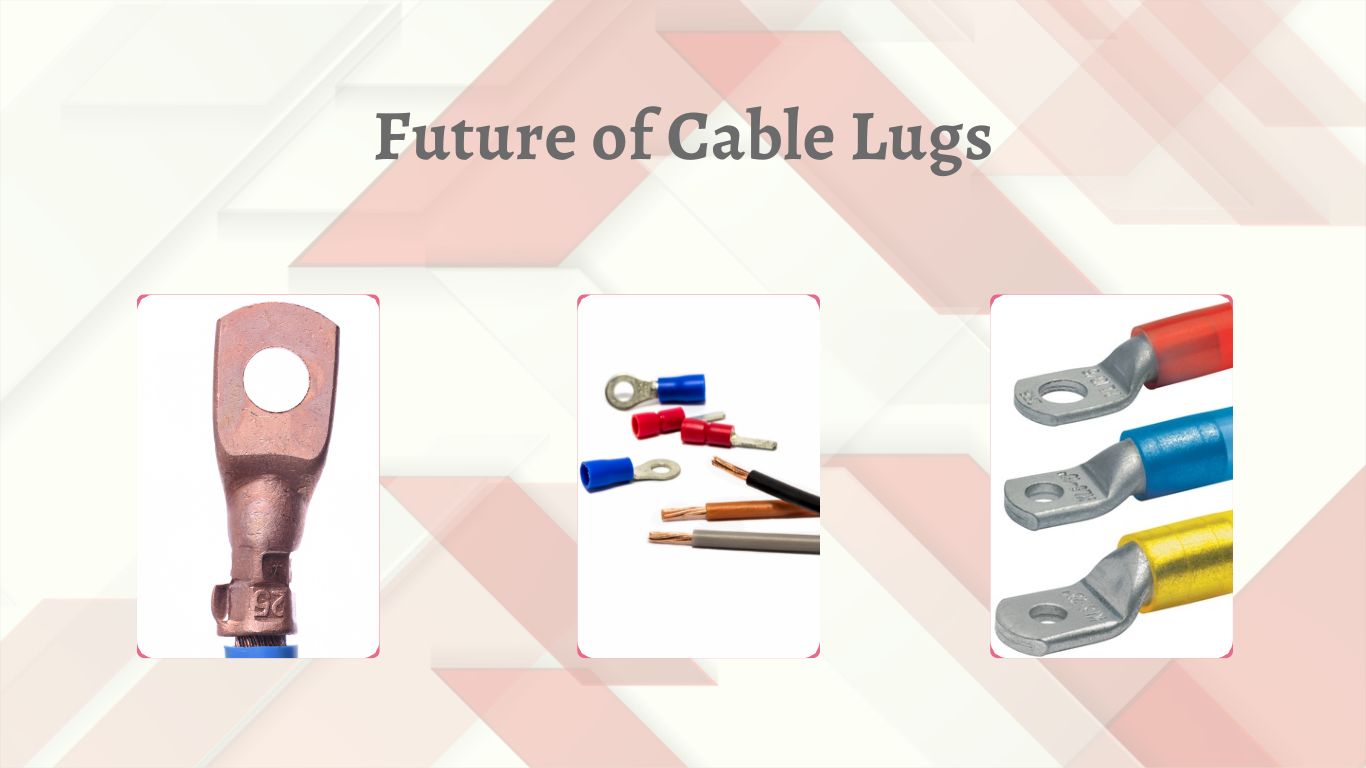
As control panel systems evolve, so does the technology behind cable lugs. Modern lugs are designed to be more versatile, accommodating, and resistant to external factors.
Smart Lugs:
With the integration of IoT in many systems, there are developments towards 'smart lugs' that can self-diagnose issues or report on their status.
Enhanced Materials:
Researchers are continually looking for materials that offer better conductivity, increased durability, and are environmentally friendly.
Modular Design:
With modular control panels becoming more common, lugs that can easily be integrated or swapped out without much downtime are in demand.
Practical Tips for Users
- Always store lugs in a cool, dry place to prevent premature corrosion.
- Invest in quality crimping tools. The right tool can make a significant difference in the performance and lifespan of a connection.
- When in doubt about sizes or types, always consult the manufacturer's specifications or seek expert advice
FAQs
Can I use any cable lug for any application within a control panel?
Are cable lugs reusable?
What material are cable lugs typically made of?
How do I ensure a secure connection with a cable lug?
How to Install Cable Lugs?
To Sum Up:
Cable lugs, in their simplicity, are the unsung heroes of control panel systems. They ensure the power and signals flowing through the systems are consistent, efficient, and safe. By giving them the attention they deserve – from selection to installation and maintenance – professionals can ensure the longevity and safety of their control panel systems.
As technology marches, it's exciting to see where innovations will take these humble yet indispensable components. Whether you are looking for cable lugs of specific sizes or a smart electricity meter, GoSwitchgears offers top-quality products that ensure safer connections and seamless functioning of machines and other electrical devices.
Share this post

Related
Posts
How Does a Changeover Switch Work? A Complete Beginner’s Guide
30-Second Summary: Changeover switches provide a seamless transition between power sources to ensure an uninterrupted supply. Key types include manual and automatic...
Weatherproof & Waterproof Junction Boxes in the UAE: The Complete Guide (PVC & ABS)
In the UAE’s harsh outdoor conditions—intense heat, dust, humidity, and occasional storms—protecting electrical connections isn’t optional. It’s survival. Weatherproof and...
Digital Time Switch – Smart Timing Control for Industrial and Energy Efficiency in UAE & KSA
In today’s fast-paced industrial and commercial environments, precision control of time-based operations is no longer optional—it’s essential. Digital Time Switches,...

RISH Clamp vs RISH Clamp Power: Which Clamp Meter Should You Choose?
Selecting the right clamp meter is critical when working in industrial or energy monitoring environments. Rishabh Instruments, known for its...
.jpg)